


Luxury Kitchen Materials Guide: An Architectural Approach to Materiality

Updated: Sep 1
A truly bespoke kitchen exists as a singular spatial work, defined by the honesty of its materiality and the precision of its composition. The creation of a high-end domestic environment often presents the challenge of navigating an overwhelming volume of generic options that lack architectural depth. This luxury kitchen materials guide serves to illuminate the path beyond fleeting trends, framing the kitchen as an expression of architectural intent. Every surface and texture is selected not merely for function, but to serve a larger aesthetic purpose within the home’s broader spatial narrative.
A space that transcends utility requires a cohesive language to unite the various elements of the interior. By focusing on the interpretive process of design, a sense of tactile harmony is achieved that feels both permanent and profoundly personal. This exploration examines how different textures interact at junctions and transitions, providing the insight needed to compose a kitchen with the precision of an artisan. The result is a crafted environment where nothing is incidental, ensuring the final work remains a classic design that lasts a lifetime.
Table of Contents
The Philosophy of Materiality in Luxury Kitchen Design
Materiality represents more than a list of finishes; it is the physical and sensory dialogue between the inhabitant and the built environment. In high-end domestic architecture, the kitchen is treated as a singular spatial work, distinct from a collection of commercial products. This distinction is paramount. When a space is composed with architectural intent, every surface and line works in unison to establish a specific atmosphere. The selection of a particular grain or the thermal quality of a stone surface is an act of authorship, defining the character of the entire residence.
True luxury prioritises material honesty over imitation. This philosophy dictates that materials should be exactly what they appear to be, celebrating inherent properties rather than masking them. Imitation materials frequently lack the weight and depth of the genuine article. By following a luxury kitchen materials guide rooted in these principles, the design process moves beyond simple selection and into the establishment of a rigorous architectural language. This language dictates how light interacts with surfaces and how transitions between zones are perceived, ensuring the environment feels grounded and authentic.
Beyond Function: The Interpretive Design Process
Utility serves as the baseline, yet artistry remains the ultimate objective. The interpretive design process moves beyond basic functional requirements to create a crafted environment that elevates daily use. The designer serves as the author of the space, using sensitivity to transform raw timber or marble into a cohesive vision. Nothing is incidental. Every junction and proportion is calculated to enhance the tactile experience, turning mundane actions into moments of quiet appreciation. It's this design sensitivity that transforms a utilitarian room into a sophisticated architectural statement.
The Concept of Material Honesty
Material honesty is the foundation of longevity, representing a refusal to follow fleeting trends. Instead, materials are selected for their ability to age gracefully, developing a patina that tells a story of craftsmanship. Whether reviewing an overview of countertop materials or selecting bespoke timber for cabinetry, the focus remains on the relationship between proportion, light, and surface texture.
A kitchen composed with intent embraces the passage of time. The dialogue between light and honest surfaces creates a sense of permanence that mass-produced solutions cannot replicate. This commitment ensures the space remains relevant and beautiful, reflecting a preference for precision and durability. It's an approach that guarantees the kitchen remains a classic design that lasts a lifetime, functioning as a permanent fixture of the home's architecture.
Cabinetry and the Structural Language of Wood
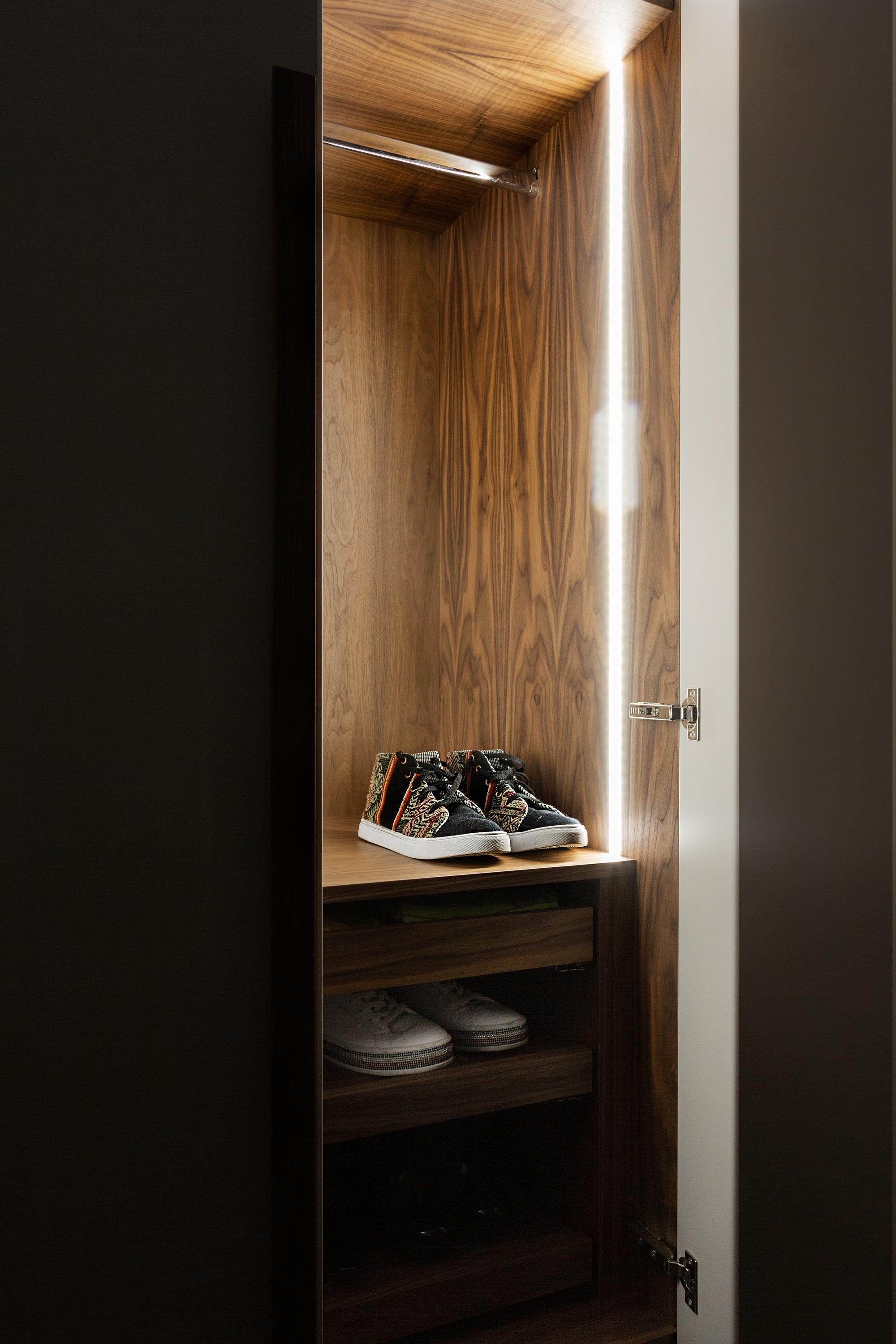
Wood serves as the foundational element of a singular spatial work, offering a structural language that balances inherent strength with tactile warmth. Within the framework of a luxury kitchen materials guide, timber is recognised not merely as a decorative choice but as the primary medium for bespoke authorship. Natural grains provide a visual depth and material honesty that synthetic alternatives cannot replicate, grounding the kitchen within the broader architectural language of the home. Contemporary design relies on this authenticity to create an environment that feels both personal and permanent.
To achieve this level of authenticity throughout the home, specialists like McGrath Floor & Design showcase how the careful selection of high-end flooring materials can further anchor the kitchen's architectural narrative.
Achieving precision requires a deep understanding of joinery and material behaviour. Whilst solid timber is prized for its heritage and feel, modern bespoke design often utilises high-grade engineered cores to ensure structural stability. This combination prevents the warping or movement that can occur with temperature fluctuations. For those seeking a deeper technical guide to kitchen materials, the emphasis is always on how these components interact at a structural level. The interplay between different wood species allows for a nuanced palette of textures that can be tailored to the specific light conditions of a room.
Bespoke vs. Systematic Cabinetry
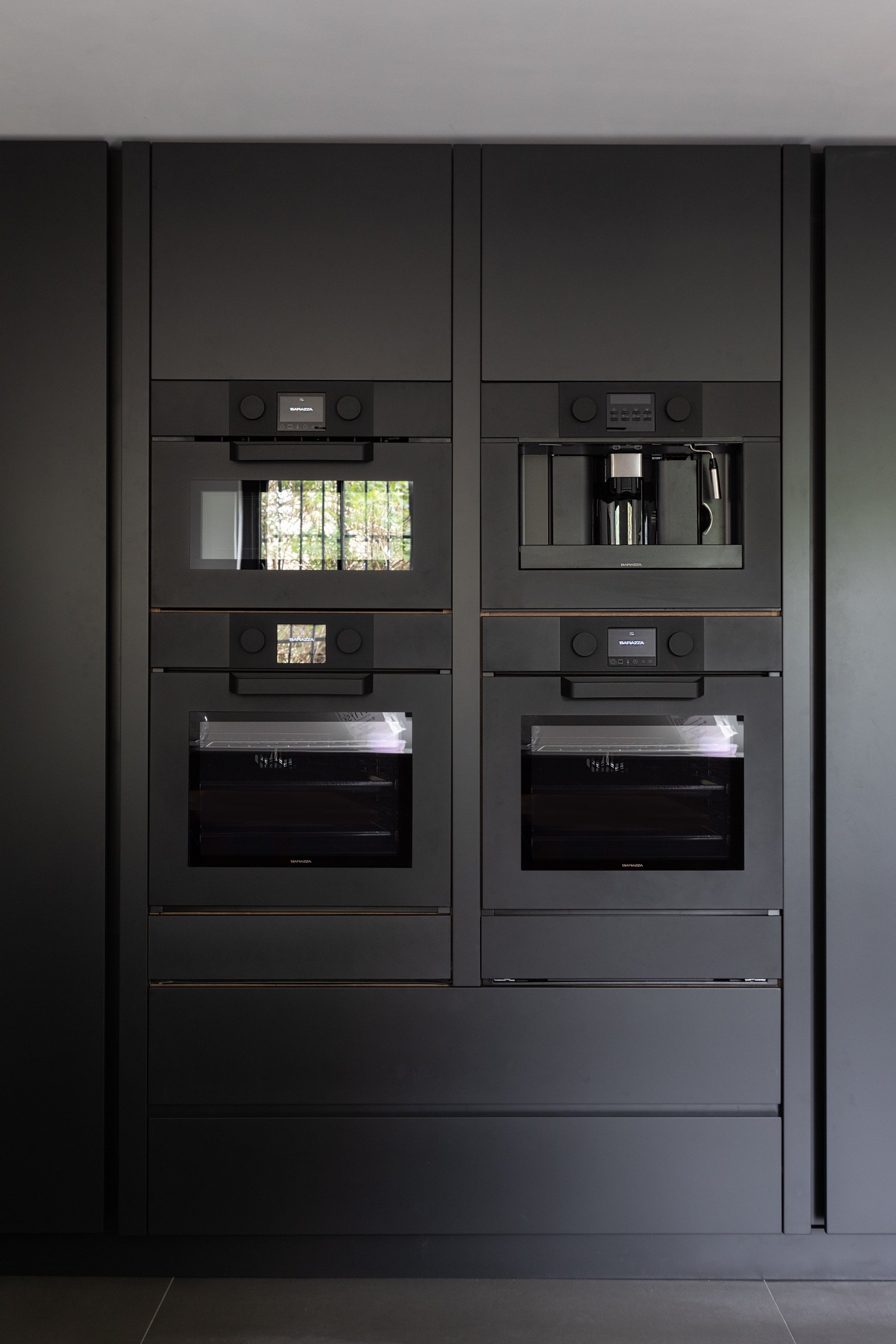
Systematic or predefined cabinetry often forces a home's geometry to adapt to the furniture, whereas true architectural expression dictates that the furniture must respect the building. Bespoke cabinetry is composed with intent, ensuring that every line and joint aligns with the unique dimensions of the space. In a custom-made kitchen, nothing is incidental. The transitions between cabinets and walls are executed with a seamless precision that reflects integrated craftsmanship. This level of detail transforms a functional room into a sophisticated environment that serves as an expression of spatial harmony.
Finishes and Tactile Harmony
The choice of finish is an architectural decision that dictates the tone of the space. Hand-painted finishes offer a soft, human touch that ages beautifully, whilst natural stains celebrate the raw beauty of the grain. Matte and satin textures are particularly effective in absorbing light, preventing harsh reflections that can disrupt the visual flow of the cabinetry. High-grade protective treatments ensure that this beauty lasts a lifetime without compromising the wood's natural feel. The process of having materials composed with intent for a specific home begins with understanding this delicate dialogue between form and texture.
Worktops: Achieving Tactile Harmony through Natural and Engineered Stone
The worktop serves as the tactile centre of the kitchen, acting as the primary plane where the inhabitant interacts most physically with the environment. In this luxury kitchen materials guide, we view the selection of stone not as a surface choice, but as a pivotal architectural decision. The dialogue between natural and engineered materials allows for a nuanced composition that balances sensory beauty with functional resilience. Whether choosing the cool, varied surface of marble or the disciplined uniformity of quartz, the stone must align with the broader architectural language of the home.
Proportion and scale are essential when designing islands as monolithic architectural features. The thickness of a worktop significantly influences the visual weight and perceived permanence of the space. A substantial, thick-edged slab can ground a large room, giving the island the presence of a structural anchor. Conversely, a slimmer profile suggests a more ethereal, contemporary aesthetic. These decisions are never incidental; they're made with the intent to balance the kitchen's volume against the light and flow of the surrounding architecture.
Natural Stone: The Beauty of Imperfection
Selecting natural marble or granite is an exercise in unique authorship. Each slab carries its own history through veining and mineral deposits, ensuring that no two kitchens are ever identical. This material honesty celebrates the beauty of imperfection. Whilst some fear the porosity of natural stone, many discerning homeowners embrace the patina of age as a story of craftsmanship and daily use. Integrating these raw elements requires a sensitivity to how the stone’s character will evolve over time, ensuring it remains a classic design that lasts a lifetime.
Quartz and Dekton: The Precision of Engineering
When the design demands functional excellence and absolute precision, engineered surfaces like quartz or Dekton offer a different kind of poetry. These materials allow for the creation of seamless transitions and nearly invisible junctions, supporting a minimalist architectural language. Large-format slabs enable designers to cover expansive areas without the interruption of grout lines or visible seams. This creates a sense of spatial continuity that is particularly effective in open-plan London residences. By choosing engineered stone, you achieve a level of technical precision that complements the bespoke joinery discussed in previous sections, resulting in a space that transcends function alone.
Metals and Glass: Navigating Junctions and Transitions
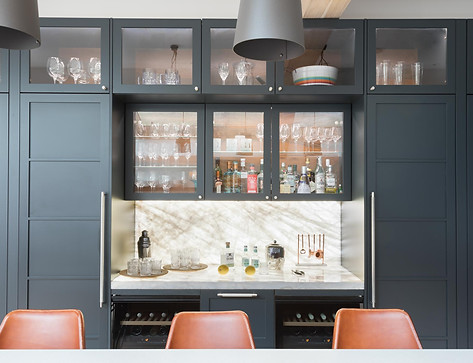
The technical poetry of a junction defines the success of a bespoke environment. When wood meets stone, or metal meets glass, the transition must be executed with absolute intent. Within this luxury kitchen materials guide, we treat metals like brass, bronze, and steel as far more than industrial accents. They're refined architectural markers. These materials define boundaries and transitions within bespoke cabinetry, acting as the punctuation in an architectural sentence. A brass inlay in a dark oak drawer or a bronze trim against a marble splashback creates tactile harmony through contrasting material temperatures. Nothing is incidental. Every joint is a deliberate choice made to ensure the kitchen transcends function alone.
Hardware and handles should be viewed as refined architectural accents rather than mere accessories. They represent the points of most frequent contact between the inhabitant and the space. The weight of a solid brass handle or the cool touch of a steel recessed pull provides immediate feedback on the structural integrity of the build. These elements shouldn't be selected from a predefined list; they should be composed as part of the kitchen's unique architectural language. When these accents are integrated with precision, they quietly elevate the daily use of the space, reinforcing the sense of authorship that defines a high-end home.
The Art of the Junction
Composing with intent requires a deep sensitivity to how different surfaces interact. A junction isn't merely a gap; it's a moment of craftsmanship. High-end design prioritises the precision of these meeting points to convey a sense of permanence and material honesty. By using metals to bridge the gap between organic timber and cold stone, we create a dialogue that enriches the sensory experience of the room. This focus on refined detail distinguishes a truly bespoke space from a generic installation. It reflects an interpretive process where the designer acts as an author, ensuring that transitions between textures are seamless and deliberate.
Glass and Transparency in the Kitchen
Glass serves as a sophisticated tool for visual layering. It allows light to permeate solid volumes, preventing the kitchen from feeling heavy or enclosed. Fluted or smoked glass can soften the visual impact of large pantry units or bespoke wardrobes, creating an airy, light-filled spatial work. It provides a glimpse into the interior life of the cabinetry whilst maintaining a sense of order and privacy. Integrating transparency in this way adds depth to the room's architectural language. It ensures the kitchen feels integrated into the wider home, serving as an expression of spatial harmony and artistic creation.
To discover how these refined details can transform your home into a singular spatial work, we invite you to explore our bespoke design services.
Composing the Space: The Role of Professional Design Consultation
A professional design consultation serves as the essential catalyst for lifestyle improvement. It is the moment where abstract desires are distilled into a concrete architectural plan. Whilst this luxury kitchen materials guide provides a foundation for understanding materiality, the interpretive process of a personal planning session brings these elements into focus. Navigating the complexities of stone porosity, timber stability, and metal transitions requires more than a cursory glance at samples. It demands a trusted advisor who understands how these components will behave within the specific light and volume of your home.
Selecting a palette is an act of authorship. The Neil Norton approach treats the consultation as an artistic dialogue. It's about more than storage; it's about spatial harmony. We help you move from utility to a crafted environment that elevates daily use through design sensitivity. This ensures that every line, joint, and transition is composed with intent. By balancing the technical precision of a manufacturer with the artistic vision of a designer, we create a kitchen that serves as a singular spatial work.
The Interpretive Consultation Process
Mapping the spatial flow is the first step in creating a singular spatial work. We examine the architectural language of your existing home to ensure the new kitchen feels like a permanent extension of the building. This phase involves selecting textures and proportions that reflect your personal vision. By focusing on material honesty, the final composition transcends function alone to become an expression of artistic creation. We look at how junctions and transitions interact, ensuring that the tactile harmony established in the planning stage is realised in the final build.
Planning for Longevity in London and Ireland
Whether you are restoring a period home in London or designing a modern residence in Ireland, bespoke solutions must respect the local context. Our award-winning studio has successfully navigated hundreds of projects, as evidenced by our 200+ happy clients. This experience allows us to provide a Bespoke Kitchen Design: An Interpretive Approach to Architectural Luxury that balances heritage with contemporary precision. By grounding our designs in classic principles, we ensure that your kitchen remains a timeless fixture. We specialise in creating spaces that last a lifetime, ensuring that nothing is incidental and every detail is refined to the highest standard.
Compose Your Singular Spatial Work
Designing a kitchen that transcends utility requires a deep commitment to material honesty and architectural intent. This luxury kitchen materials guide has illustrated how the structural language of wood, the tactile harmony of stone, and the technical poetry of junctions create a cohesive vision. Nothing is incidental. Every detail, from the weight of a brass handle to the grain of a bespoke cabinet, must be composed with intent to ensure the result is a classic design that lasts a lifetime.
As an award-winning bespoke studio with over 200 happy clients across London and Ireland, we specialise in the interpretive process required to bring your vision to life. Our expertise allows us to navigate the complexities of materiality, ensuring your home reflects your unique authorship. We invite you to transform your home with a professional design consultation and begin the journey of creating a space that is truly your own. Your environment should be a celebration of precision and spatial harmony.
Frequently Asked Questions
What are the most durable luxury kitchen materials for a busy London household?
Hardwoods like oak and walnut, paired with engineered surfaces such as Dekton or high-grade quartz, offer the greatest durability. These materials withstand the daily rigours of a busy London household whilst maintaining their architectural integrity. By following a luxury kitchen materials guide that prioritises material honesty, you ensure your space remains a classic design that lasts a lifetime. These selections provide the resilience needed for high-traffic environments without compromising on aesthetic precision.
How does bespoke cabinetry differ from high-end modular German kitchens?
Bespoke cabinetry is composed with intent to fit the unique geometry of your home, whereas modular German kitchens rely on predefined, systematic units. This bespoke approach allows for absolute authorship in every junction and transition. It transcends the limitations of standard sizes, ensuring the architectural language of the kitchen is a seamless extension of the building's structure. Every cabinet is a singular spatial work designed specifically for the inhabitant's lifestyle.
Can I use natural marble for a kitchen worktop without worrying about stains?
Natural marble is inherently porous and will develop a patina over time, which many homeowners embrace as a mark of material honesty. Whilst modern sealants provide significant protection against immediate staining, the stone is not completely impervious to acidic substances. Integrating marble requires an appreciation for the beauty of imperfection. It's a choice that celebrates the unique history and sensory depth each slab brings to the kitchen's wider materiality.
What is the significance of "materiality" in contemporary kitchen design?
Materiality refers to the physical and sensory qualities that define an environment's character and emotional impact. In contemporary design, it's the tool used to achieve tactile harmony between contrasting surfaces, such as the coolness of stone and the warmth of timber. This luxury kitchen materials guide emphasises that materiality isn't about isolated products; it's about how different textures and proportions interact to create a singular, composed spatial work.
How much does a professional kitchen design consultation cost in London?
The investment for a professional kitchen design consultation in London varies based on the project's complexity and the studio's level of expertise. At Neil Norton Design, we focus on an interpretive process that translates your vision into a sophisticated architectural plan. It's best to contact a bespoke studio directly to discuss your specific requirements. This ensures you receive a tailored overview of the service fees associated with your unique project goals.
Which materials are best for a classic design that lasts a lifetime?
Solid hardwoods, natural stones like granite, and hand-finished metals such as brass are the hallmarks of classic design. These materials possess an enduring quality that resists fleeting trends, allowing them to age with grace and distinction. Their inherent durability and the depth of their textures ensure the kitchen remains relevant for decades. Choosing materials with such longevity reflects a commitment to craftsmanship and permanent value over temporary fashion.
How do you choose between a hand-painted or a natural wood finish?
The choice depends on the desired architectural tone and how you wish the cabinetry to interact with light. Hand-painted finishes offer a soft, human touch and allow for precise colour integration within the home's palette. Natural wood finishes celebrate the organic authorship of the grain, providing a sense of warmth and structural honesty. Both options should be selected with the intent to enhance the room's tactile harmony and spatial flow.
What are the key trends for luxury kitchen materials in 2026?
Anticipated trends for 2026 focus on deep materiality and the technical poetry of junctions where different elements meet. We expect to see a rise in mixed-media compositions, such as liquid metal finishes paired with heavily textured, raw stone. The focus is shifting away from purely visual "looks" toward the sensory experience of the space. Designers are increasingly acting as authors, ensuring every transition is a deliberate expression of architectural intent and refined detail.
Comments